
High-Yield Wind power, engineered for your factory footprint.
Compact, high-yield captive wind energy systems that generate power 24/7 — giving MSMEs and C&I plants the lowest cost of power without needing acres of land.
Captive wind, applied thoughtfully
Captive wind is fundamentally different from utility-scale wind. It requires sharp site evaluation, realistic expectations, and careful sizing to work effectively.
At OnLoop, wind energy is evaluated as a precision engineering tool, used selectively and often as part of a broader hybrid energy system.
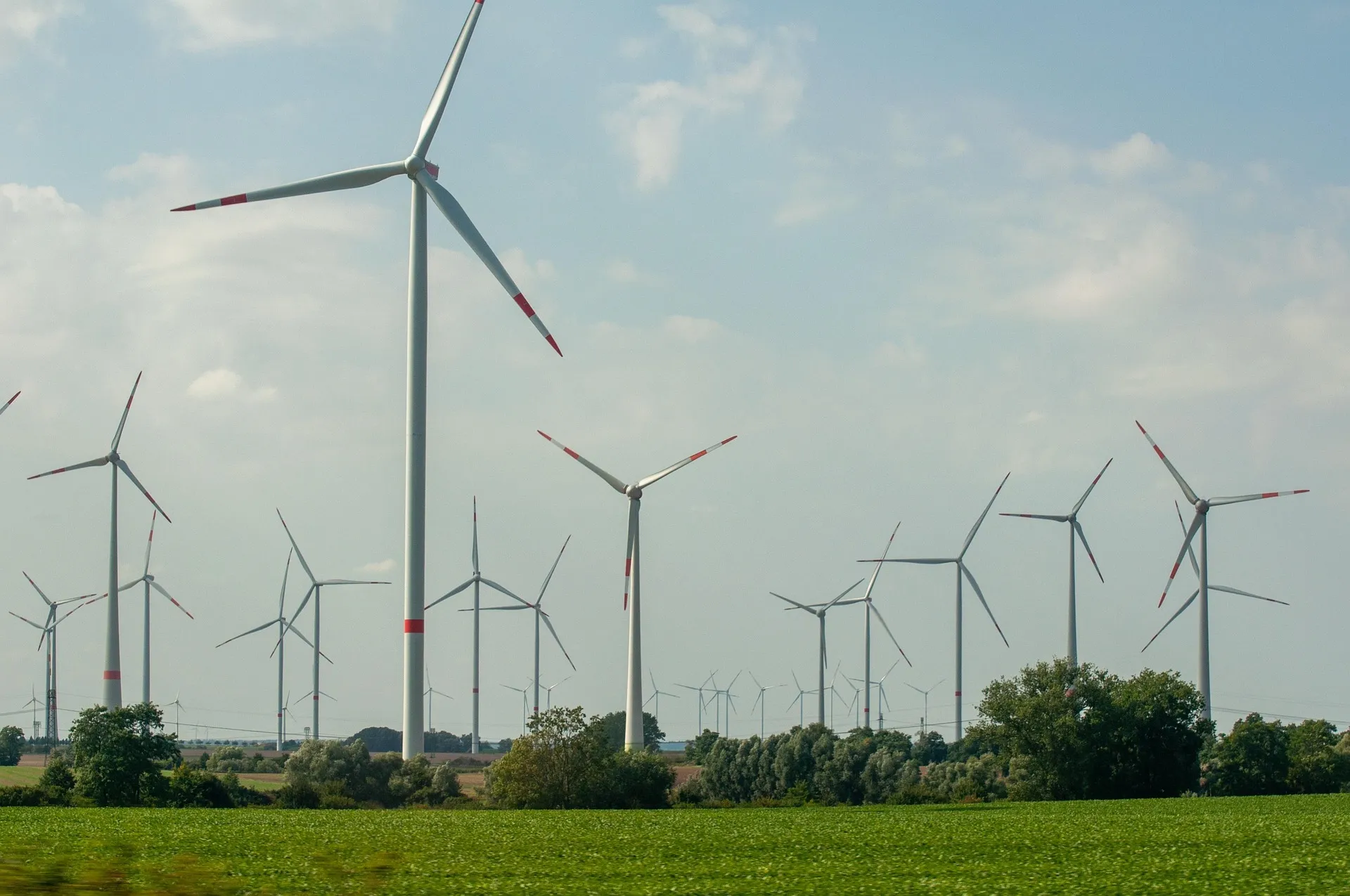
Our view on wind energy
Wind is one of the most misunderstood renewable resources, especially at small scale. Its performance depends heavily on site-specific wind behavior, not just regional wind maps.
We approach small wind with care, conservative assumptions, and complete transparency, because not every site is a wind site.
Measured, not assumed
Every wind recommendation is backed by evaluation, not optimism. If the wind doesn’t support it, we won’t force it.
Designed to match the site
Most wind technology is built for large-scale projects. Small wind demands a different mindset, one focused on local wind behavior, hub height realities, turbulence exposure, and operational simplicity.
Performance at small scale is highly sensitive to placement and surrounding structures. Trees, rooflines, terrain shifts, and micro-climate effects can materially change output. That is why we prioritize site-specific assessment over generic wind assumptions.
When done right, small wind delivers meaningful energy without introducing unnecessary complexity. When done casually, it underperforms. Our role is to ensure it is engineered properly, or not deployed at all.
Wind, evaluated in context
Wind is never treated as a standalone promise. It is evaluated in the context of the full energy system, where its contribution strengthens reliability rather than becoming a dependency.
- Naturally complements solar generation patterns
- Can contribute during evenings and low-solar periods
- Improves overall system resilience when conditions are right
Designed to complement
Wind works best when it complements other sources, quietly strengthening the system instead of carrying it alone. Its value increases when integrated thoughtfully with solar, storage, and load management strategies. By contributing during off-peak solar hours and variable weather conditions, wind can smooth overall generation profiles and reduce reliance on a single resource. The objective is balance: a coordinated energy system where each component supports the others.
When wind and solar align
Explore how carefully designed hybrid systems improve reliability and energy balance.
Explore Hybrid Solutions