
Solar earns its place as part of a hybrid, not on its own.
OnLoop Energy uses solar — but only as the daytime generation layer within a wind + solar hybrid system. We do not install solar-only projects. Here is why, and how we use it.
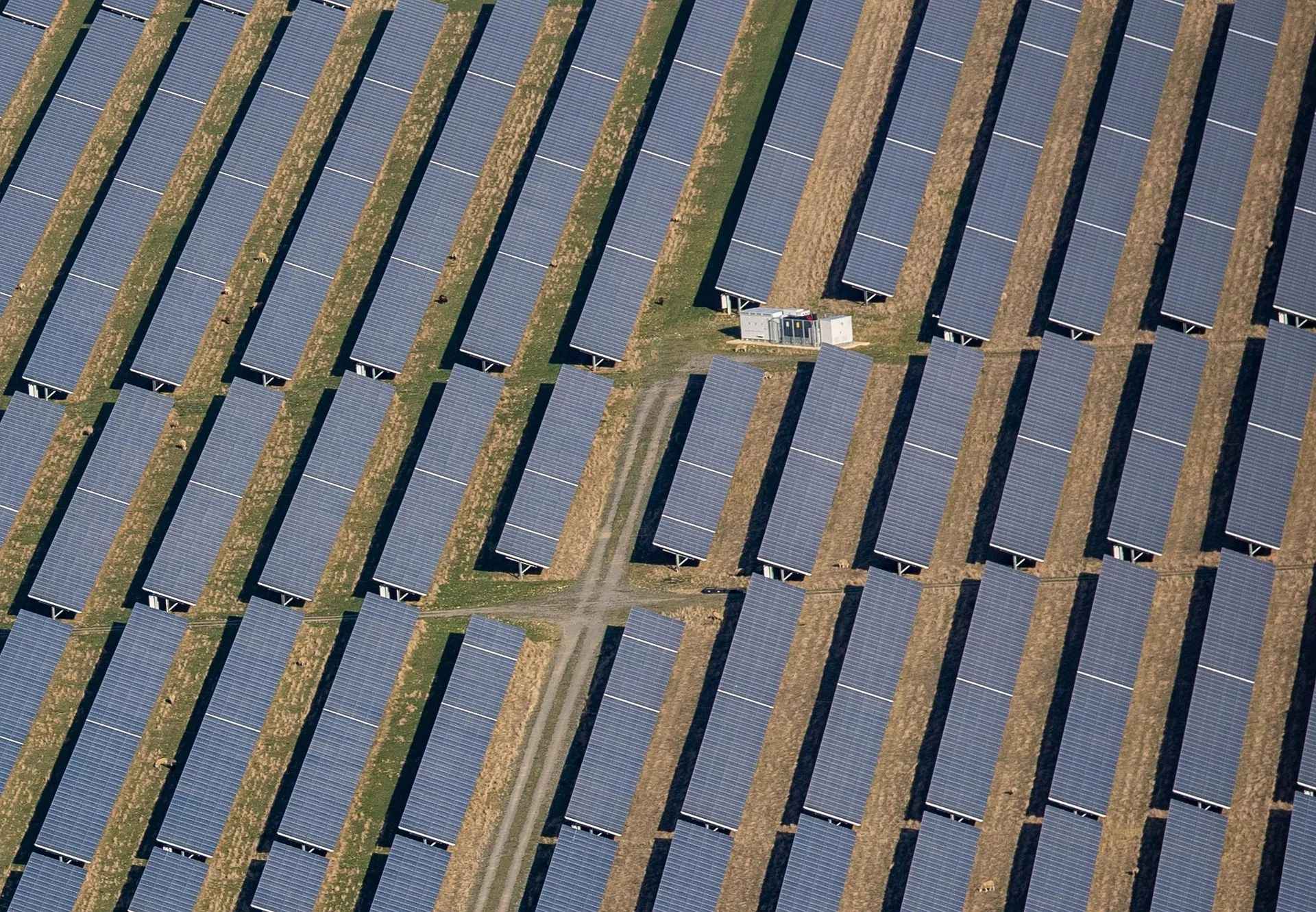
Solar as architecture, not a product
Most energy companies sell solar because it is the easiest product to install and the simplest to market. We do not work that way.
At OnLoop Energy, solar is deployed as the daytime generation component within a coordinated wind + solar hybrid architecture. It captures peak irradiance hours. Wind covers evenings, nights, and monsoon variability. Together, they deliver what solar alone cannot: 24/7 reliable generation for a C&I facility.
We do not install solar-only systems
Solar is a predictable, cost-effective daytime generation source — and it has earned its place in the energy mix. But for the C&I load profiles we serve, solar alone is structurally insufficient.
A factory running three shifts needs power at 9pm and 3am. A processing plant consuming 2 MW continuously needs generation that tracks its load curve, not just daylight hours. Solar peaks from 10am to 3pm — leaving 17+ hours of grid dependency every day.
This is not a criticism of solar. It is a statement of physics. And it is why we use solar only within a hybrid architecture where wind generation fills the gaps.
The daytime foundation
When designed with discipline, solar becomes the reliable daytime generation layer in a hybrid system. It provides cost-effective, predictable output during peak irradiance hours — while wind handles the rest. With conservative degradation assumptions and hybrid-ready design from day one, a solar array within a hybrid system delivers decades of stable performance.
How we design solar systems
- Layouts designed around land, structures, shading, and access realities
- Realistic performance assumptions that hold up over time
- Focus on lifetime energy yield, not headline numbers
- Designed to remain flexible for future hybrid integration
How solar fits within a hybrid design
When we design a hybrid system, solar takes a defined and bounded role:
- Sized to the daytime load — not over-specified to compensate for missing wind
- Designed with shading, structural load, and land constraints fully accounted for
- Integrated at the grid interface with wind — shared cabling, protection, and metering where possible
- Modelled with conservative 0.5% annual degradation — no inflated projections
If you have been told you need solar-only, we are happy to run an honest feasibility check on whether your site's load profile genuinely supports that decision.
Designed only within a hybrid context
Every solar installation we design exists within a wider wind + solar architecture. We assess structural capacity, shading risks, and long-term load behavior before finalising the solar component's size or layout. If the site data does not support a hybrid system with a genuine solar contribution, we will say so honestly — and not proceed.
Interested in a hybrid system for your C&I facility?
Solar within a hybrid architecture delivers results that solar alone simply cannot. Talk to our team about whether your site's wind resource and load profile support a wind + solar hybrid.